
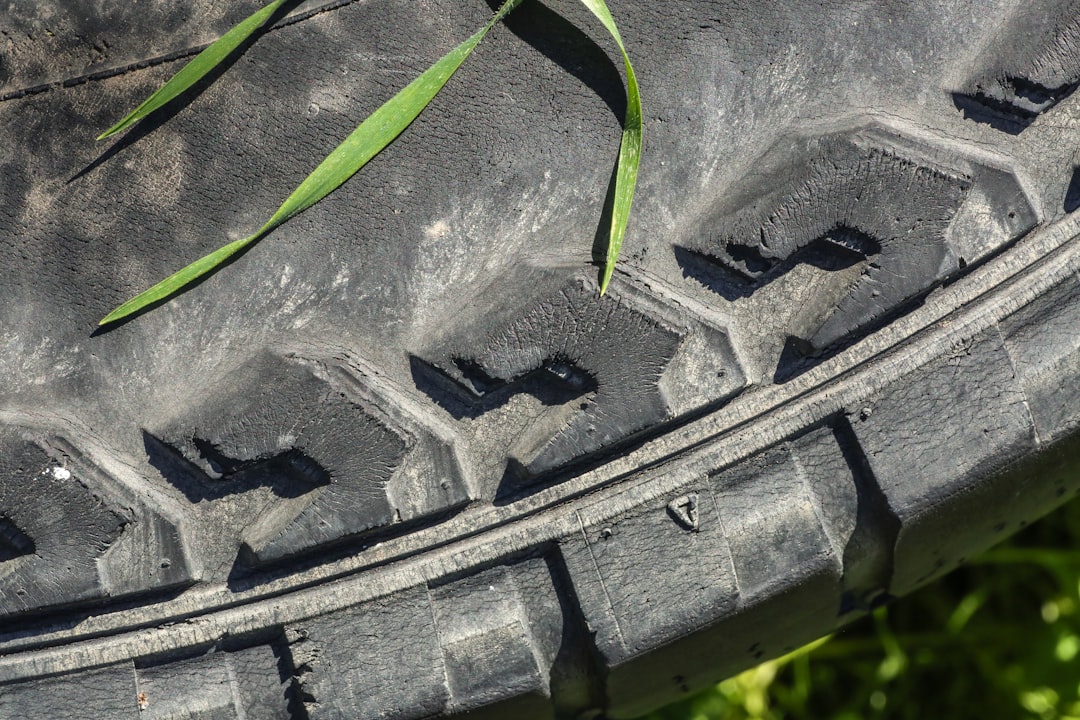
Rubber is not a single material. It is a family of compounds with lifespans that vary from two years to more than thirty. A pair of shoe soles, a bicycle inner tube, a car tyre, and an oven door seal are all called rubber, and each one fails in a specific way for a specific reason.
Natural versus synthetic rubber in everyday use
Natural rubber comes from the latex of the Hevea tree. It is elastic, tough, and inexpensive, but it degrades quickly when exposed to ozone, sunlight, or petroleum products. Synthetic rubbers are engineered polymers designed to solve specific weaknesses of the natural material. Nitrile rubber, common in oven seals and fuel hoses, resists oil. EPDM rubber, used in weatherstripping, resists ozone. Silicone rubber, used in baking mats, resists heat well beyond 200 degrees Celsius.
A shopper who reads a label and sees only the word rubber is missing most of the information. The specific compound decides whether the part lasts two years in the sun on a windowsill or thirty years hidden inside an engine bay.
The role of ozone and UV in slow cracking
For a wider view on this thread, see copper, Brass, and Bronze in Everyday Products.
Ozone at ground level is a slow but persistent enemy of most natural rubber. It attacks the double bonds in the polymer chain and produces the fine surface cracks that appear on old rubber bands and worn car tyres. The cracks propagate under any stretching load, and the part eventually fails at the crack front rather than from wear.
Ultraviolet light adds a second attack path. It breaks polymer chains directly, which reduces the tensile strength of the rubber and increases surface brittleness. A rubber part left in a sunny window loses roughly half its useful strength within two years, which is why rubber garden hoses often crack near the connections that sit outdoors.
Carbon black filler and why colour matters
Black rubber is not black for aesthetic reasons. It is filled with carbon black, a fine soot that reinforces the polymer and blocks UV light almost completely. A tyre without carbon black would lose half its tread wear resistance within a season and would fail from cracking within two.
Coloured rubber uses alternative fillers such as silica or clay. These fillers add strength but do not block UV as effectively. A coloured seal or hose is often engineered for indoor use only, and coloured tyres, which appear occasionally on show vehicles, wear out much faster than black ones. When a rubber item is available in both black and a colour, the black version usually outlasts the coloured one by a factor of two or more outdoors.
Curing methods and how a stamp gives them away
A related pattern is discussed in understanding the Plastic Codes Printed on Everyday Containers.
Rubber is turned from a soft raw material into a useful part by curing, also called vulcanisation. The process uses sulphur or peroxide crosslinkers to bind polymer chains into a network. The temperature, duration, and additive package during curing decide the final strength and elasticity.
Tyres stamp a manufacture date on the sidewall in the DOT code, a four digit number where the first two digits are the week and the last two are the year. A tyre older than six years, even one that looks unworn, has lost enough elasticity in the sidewall rubber to be a safety concern. Rubber timing belts, drive belts, and radiator hoses all follow a similar age based rather than mileage based replacement schedule.
Storage habits that add years to a rubber part
The same logic applies to the choices covered in wood Veneer Versus Solid Wood Furniture.
- Keep rubber parts out of direct sunlight during storage. A shaded garage or basement shelf preserves rubber for years longer than a sunny window.
- Avoid storing rubber near ozone sources. Electric motors, arc welders, and even some air purifiers generate ozone that accelerates rubber aging.
- Store away from petroleum products such as motor oil, since many rubber compounds swell and soften on contact with hydrocarbons.
- Keep temperature moderate. Rubber stored above 30 degrees Celsius ages faster, and rubber stored below freezing loses elasticity temporarily and can crack under handling.
| Rubber type | Typical lifespan in ordinary use | Best application |
|---|---|---|
| Natural rubber | 2 to 5 years outdoors | Bicycle tyres, elastic bands |
| Nitrile rubber | 8 to 15 years | Fuel hoses, oil seals |
| EPDM rubber | 15 to 25 years outdoors | Weatherstripping, roofing |
| Silicone rubber | 10 to 25 years indoors | Baking mats, oven seals |
| Neoprene | 10 to 20 years | Wetsuits, gaskets |
| Butyl rubber | 5 to 15 years | Inner tubes, sealants |
Categories where the compound difference shows up first
Owners tracking a similar decision often find ceramic Versus Porcelain: The Tableware Question useful.
- Garden hoses. The cheapest hoses use natural rubber blends that crack within three summers. Premium hoses use reinforced EPDM and last a decade.
- Car door seals. Original equipment seals often last the life of the car. Replacement seals of unknown compound sometimes crack within three years.
- Baking mats. Silicone mats last a decade if kept away from open flame. Cheap knockoffs often mix silicone with fillers that yellow and stiffen within a year.
- Bicycle tyres. Butyl inner tubes last five to eight years. Natural rubber inner tubes offer a softer ride but crack faster.
- Refrigerator door gaskets. Modern PVC replacement gaskets often outlast the original rubber ones by several years but feel less compliant.
What to check on the label before buying
A well labelled rubber product names the specific compound and includes any relevant certifications. A garden hose that lists EPDM or reinforced construction is likely to outlast one that says only rubber. A seal that lists a temperature range wider than the intended use is more likely to survive extreme days. A baking mat that names FDA approved food grade silicone is more likely to be pure silicone than one that lists no material at all.
According to a technical overview of natural and synthetic rubber, rubber compound selection and testing is one of the oldest branches of materials engineering, and the difference between a two year part and a twenty year part is often a single additive rather than a fundamental technology gap. Awareness of the labels turns rubber from a mysterious material into a specification a buyer can actually read.
Frequently asked questions
Why do some new rubber parts smell strongly and others do not?
The smell usually comes from residual curing agents that are still off gassing. A well cured part smells much less than a poorly cured one. Excessive smell in a new tyre or hose can also signal fillers rather than genuine rubber.
Is it worth applying rubber protectants to seals and tyres?
Silicone based dressings genuinely slow UV and ozone attack on exposed rubber. Petroleum based dressings are worse than nothing, since they can dissolve the surface of the rubber they claim to protect.
Can I extend the life of an old rubber seal?
Only slightly. Once the surface cracks are visible, the useful life is close to over. Cleaning and dressing can add a season or two. Full replacement is usually the more economical choice past that point.