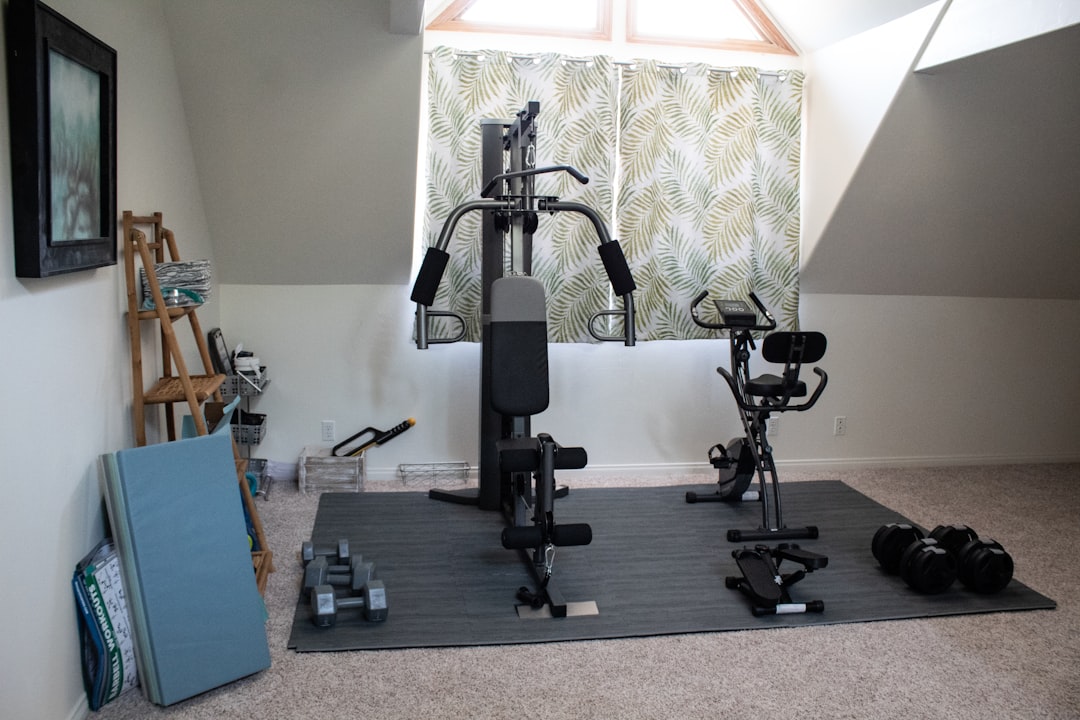
A home gym looks like a one time purchase in the sales pitch. A power rack, a bar, a set of plates, and a bench, delivered in three boxes. The recurring bills begin on installation day and continue for as long as the room is used, and a careful buyer benefits from seeing them before committing to the project.
The upfront investment and its true depreciation
A basic home gym for strength training starts around 1,200 to 2,500 dollars for a power rack, an Olympic bar, a set of steel or bumper plates totalling 140 to 180 kilograms, and a solid bench. A more complete setup with a cable attachment, a dip bar, safety spotter arms, and a light dumbbell set adds 800 to 1,800 dollars. A treadmill or a rower adds a further 1,500 to 3,500 dollars.
These items depreciate slowly on the resale market. A well kept rack loses roughly 30 percent of its value in the first two years and then holds steady. Bars and plates depreciate less. A treadmill loses 50 to 60 percent in the same period since motorised cardio equipment is a saturated resale market with many barely used units. Averaged across a five year window, depreciation on a mid tier setup runs 250 to 500 dollars a year.
Flooring, mirrors, and the room it eats
For a wider view on this thread, see what Phone Cases, Screen Protectors, and Repairs Quietly Add to a Smartphone.
A power rack and platform need a solid floor. Concrete works directly. A wooden joist floor needs rubber flooring plus a plywood layer to spread the load, which costs 300 to 800 dollars depending on room size. Mirrors are optional but often installed for form checking and add 150 to 500 dollars. Lighting upgrades to remove shadow zones and improve visibility for lifting typically add 100 to 300 dollars.
The room itself has a rental cost, even in a home the owner already lives in. Twelve to twenty square metres of dedicated space represents a real fraction of a small home. Whether the household values that space at the local rental rate or at a smaller opportunity cost, it is real and worth acknowledging in the calculation.
Replacement grips, cables, and bar wear
Barbell knurling wears smooth after several years of chalk and steel plate loading, though not enough to demand replacement in a home setting. Bar sleeves rotate on bearings or bushings that stiffen after 5,000 to 10,000 loaded reps and can be lubricated for 5 to 15 dollars in parts. Cable attachments fray at the point where the cable exits the crimp, and cables need replacement every three to five years at 40 to 120 dollars each depending on the pulley system.
Rack bolts loosen over time from vibration. A quick torque check every six months keeps the rack safe and takes ten minutes with a wrench. Pins and safety spotter arms show wear on the load bearing edges after a few thousand loaded catches and should be inspected for cracks each quarter.
Electricity for lighting, fans, and equipment
A related pattern is discussed in the True Cost of a Home Espresso Setup.
| Equipment | Power draw during use | Yearly bill at typical rates |
|---|---|---|
| LED lighting, 2 hours a day | 60 watts total | Roughly 9 dollars |
| Ceiling or floor fan, 1 hour a day | 75 watts | About 5 dollars |
| Treadmill, 30 minutes a day | 800 watts average | Around 29 dollars |
| Rowing machine, 30 minutes a day | 50 watts for the display | Under 3 dollars |
| Sound system, 1 hour a day | 40 watts | Roughly 3 dollars |
| Small heater for winter, 4 months at 2 hours a day | 1,500 watts | Near 72 dollars |
Repair services for cables and pins
The same logic applies to the choices covered in the True Cost of Owning a Coffee Pod Machine Over Five Years.
Most home gym equipment is user serviceable, but a few items need professional attention. Treadmill belt replacement runs 200 to 400 dollars including labour. Rower chain or damper repair is usually 80 to 200 dollars. Cable machine pulley bearings sometimes fail and need replacement at 40 to 100 dollars per pulley. Across a five year window a typical home gym incurs 150 to 400 dollars in professional repair costs, often concentrated in one or two years rather than spread evenly.
Consumables and personal wear items
Owners tracking a similar decision often find bicycle Service Costs Most New Riders Do Not Anticipate useful.
- Chalk for grip. A block costs 3 to 8 dollars and lasts a moderate lifter three to six months.
- Athletic tape for wrists, thumbs, or elbows. A roll costs 5 to 10 dollars and lasts a season.
- Wrist wraps for heavy pressing. A quality pair costs 20 to 40 dollars and lasts two to three years.
- Lifting shoes with a firm sole. A pair costs 80 to 200 dollars and lasts three to five years for a home user.
- Cleaning supplies for the bench and rubber flooring. A yearly budget of 30 to 60 dollars covers wipes, spray, and a floor mop.
What a year in a home gym actually bills
- Depreciation on hardware averaged over five years: 250 to 500 dollars.
- Electricity for lighting, fan, cardio equipment, and heating: 100 to 200 dollars.
- Wear parts including cables, bolts, and bushings amortised: 40 to 120 dollars.
- Professional repair reserve for occasional cable and treadmill work: 30 to 80 dollars a year.
- Consumables including chalk, tape, and cleaning supplies: 50 to 100 dollars.
- Personal wear items including shoes and wraps amortised: 40 to 100 dollars.
The annual running cost of a basic home gym sits around 500 to 1,000 dollars once the setup is complete. Spread across sixty months of ownership that adds 2,500 to 5,000 dollars in operating expense, above the initial 1,500 to 4,000 dollar hardware bill. Compared to a full service commercial gym at 40 to 100 dollars a month, the home gym breaks even for a household of one or two users within three to five years, and comes out ahead thereafter.
According to the broader concept of a home gym, the home gym has grown from a niche category into a mainstream one in the last decade, and its total cost of ownership is now well documented enough that a careful buyer can plan for the running bill rather than being surprised by it. The category is honest when the buyer treats the setup as a long term commitment rather than a one time purchase, and the numbers become favourable at that horizon.
Frequently asked questions
Is a home gym cheaper than a commercial one over the long run?
For a household of one or two users, yes, usually within three to five years. For a single user who uses a commercial gym twice a week, the calculation is closer and depends on local membership prices.
What is the single most expensive part to maintain in a home gym?
A treadmill by a clear margin. Belt replacement, motor service, and the electricity draw combine to make it the highest running cost item in most home gyms. Strength training equipment costs almost nothing to run once installed.
Can I build a useful home gym on a small budget?
Yes. A pull up bar, a set of adjustable dumbbells, a bench, and a resistance band set covers most of the useful training for less than 600 dollars. It lacks heavy squats and deadlifts but works for many training goals.