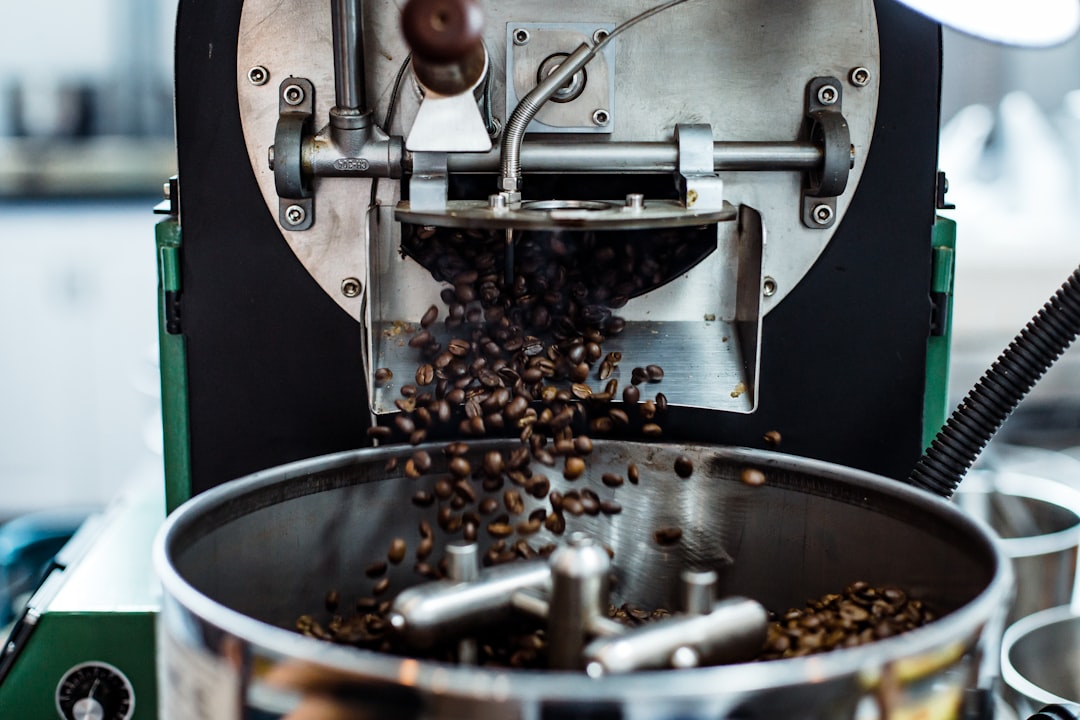
The grinder is the part of a home brewing kit that changes the cup more than any other single upgrade. Buyers spend hours reading about brewers and often pick a grinder in five minutes. That inversion is where most disappointing coffee begins, and it is fixable.
Why the grinder matters more than the brewer
Ground coffee is a stack of variables. Particle size, uniformity, and the amount of fine dust in the pile decide how water extracts flavour. A brewer can only work with the grounds it is given. A cheap blade grinder chops beans unevenly, producing a wide range of particle sizes that extract at different rates in the same brew. The result is a cup that tastes both bitter and sour at once, and no adjustment to the brewer will fix it.
A burr grinder, by contrast, crushes beans between two shaped surfaces set at a fixed distance apart. The gap decides the size, and the geometry of the burr decides the uniformity. That single design choice is what separates a grinder that lasts a decade from one that ends up in a drawer within a year.
Burr geometry and what it does to the cup
For a wider view on this thread, see a Beginner Guide to Choosing Your First Vacuum Cleaner.
Two burr shapes dominate the market. Conical burrs, which look like a metal cone spinning inside a ring, are quieter, run cooler, and tolerate coarser grinds well. Flat burrs, which sit face to face like two millstones, produce a narrower particle distribution and tend to be preferred by espresso drinkers. The trade off is that flat burrs run hotter and demand more careful cleaning.
Burr diameter also matters. A 40 mm conical burr in a common home grinder will produce acceptable pour over grinds but struggles with espresso fineness. A 58 mm or 64 mm flat burr moves comfortably across the range from Turkish to French press. Larger burrs also grind faster, which reduces the heat imparted to the beans during a shot dose.
Motor speed and heat in a home grinder
A grinder that spins at 1,400 revolutions per minute heats the beans noticeably during a 25 gram dose. Heat drives off aromatic compounds before they reach the cup. Grinders geared down to 400 or 500 rpm run cooler and preserve more of the volatile character of a fresh roast. This is worth checking on the spec sheet, since motor rpm rarely appears in marketing copy.
Direct current motors with belt or gear reduction typically live longer than the small universal motors used in the cheapest models. A grinder that runs on a brushed universal motor at high speed will show carbon brush wear within three or four years of daily use, and the brushes are rarely a stocked spare part.
Grind consistency and where you can feel it
A related pattern is discussed in how to Pick a Mattress Without Getting Lost in the Marketing.
Consistency shows up first in taste, then in the visible sediment left at the bottom of the cup. A good conical or flat burr grinder produces almost no fines when set for a French press, which is why the sediment in the last sip is nearly absent. A blade grinder produces a wide fines fraction that carries through any filter mesh and settles as sludge.
For pour over brewing, consistency decides whether the brew bed drains evenly. Uneven grounds create channels through which water flows fast, extracting only bitter compounds from a narrow path while under extracting the rest of the bed. The visible sign is a lopsided crater in the bed after the drawdown finishes.
Cleaning routines that keep the burrs sharp
The same logic applies to the choices covered in how to Choose Your First Pair of Running Shoes.
- Brush the burr chamber weekly with a stiff bristle brush. Old grounds that lodge between the burr teeth turn rancid and taint the next dose.
- Run 20 grams of dedicated grinder cleaning tablets through the burrs once a quarter. The tablets are soft and absorb oil residue without dulling the metal.
- Once a year, disassemble the burr chamber, wipe with a dry microfibre cloth, and inspect the burr teeth under a bright light. Chipped or rounded teeth signal the end of grind consistency.
- Never wash burrs with water. Steel burrs rust in hours if left damp and ceramic burrs crack if dropped when wet.
Signals a grinder is nearing the end of usefulness
Owners tracking a similar decision often find selecting Your First Cast Iron Pan, Honestly useful.
Two changes usually announce that a home grinder is ready for retirement or a burr replacement. The first is a slow drift in the setting numbers. A grinder that used to produce an espresso dose at setting 8 now needs setting 5 or 6 to hit the same shot time. Burrs wear inward with use and require the gap to close to compensate. The second is a noticeable increase in fines even at coarse settings, which points to worn burr edges no longer producing clean cuts.
According to the mechanical basics of a coffee grinder, most single dose home grinders are engineered for around 500 kilograms of coffee across their lifespan, which for a two person household is roughly seven to nine years of daily use. Ceramic burrs typically outlast steel burrs by half again in that context, though they chip more easily if a stone slips through with the beans.
What to shortlist before spending
- A grinder with replaceable burrs available as a stocked part from the manufacturer, ideally with a published guide for the swap.
- A direct drive or belt drive motor rather than a small universal high rpm motor, checked either on the spec sheet or by asking the retailer.
- A stepless or fine stepped adjustment mechanism that lets you dial in espresso and pour over without a coarse jump between clicks.
- A hopper that either holds a single dose or seals tightly enough to keep the beans fresh between uses, since bean staling is what ruins cups that a good grinder would otherwise save.
Frequently asked questions
Is a burr grinder worth the extra spend for a casual drinker?
For a household that drinks two cups a day and cares about taste at all, a mid range burr grinder pays for itself in six to twelve months of avoided pod purchases and better beans. For a person who drinks one cup a week, the value is harder to justify.
How often should home burrs actually be replaced?
On a typical home grinder used twice a day, the burrs should last five to eight years before consistency drifts far enough to justify a swap. Heavy espresso users tend to reach that point in three to five years.
Can a hand grinder match an electric one at home?
For pour over and French press, a well made hand grinder with 38 to 48 mm burrs will produce results that are indistinguishable from a good electric grinder. For espresso, hand grinders demand more effort per shot and become less practical for multiple drinks in a morning.