A vacuum cleaner is one of those purchases where the variety feels overwhelming for no good reason. You walk into a store and find machines that cost the same as a refrigerator next to ones that cost the same as a takeout dinner, and the staff is rarely the person who will explain the difference in plain words. This guide is meant to be that conversation, with no pressure and no rankings.
The goal is not to convince you that one style is better than another. The goal is to help you understand what you are actually paying for, so the model you choose fits the floor you have and the life you live.
What you will learn
- Why the headline wattage number rarely matters
- How floor type quietly decides which vacuum suits you
- Bagged versus bagless, and what the trade really is
- The cost of filters and accessories over a year of use
- Signals that a vacuum will still be working in eight years
Start with the floor, not the vacuum
The single most useful question a shopper can ask is not about the vacuum at all. It is about the floor. Hard surfaces, low-pile rugs, deep carpets, and pet-heavy homes each behave differently under suction, and the vacuum designed for one is rarely the right tool for another.
If your home is mostly tile or wood, a lightweight stick or canister with adjustable suction will outperform a heavy upright every time. If you have wall to wall carpet, a motorized brush roll becomes the deciding factor, and the weight you may have wanted to avoid suddenly earns its place. Pet owners face a third path entirely, where filtration and hair-resistant brushes matter more than raw power.
Mixed homes are the most common case and also the trickiest. A two-floor house with a rug in the living room and tile in the kitchen needs a vacuum that can switch behavior between rooms without you having to think about it. That is where canister models or modern sticks with auto-detection earn their keep.
The wattage number is mostly a sales prop
Most boxes brag about motor wattage, and most of that number is decorative. What actually matters is airflow, measured in cubic feet per minute, and sealed suction, measured in inches of water lift. Manufacturers rarely print these on the box because the numbers are less impressive than wattage, but they are what your floor actually feels.
Two vacuums with identical wattage can behave very differently because of how the airflow path is sealed. A leaky hose, a poorly fitted bin, or a clogged filter can erase half the power before the bristles ever reach the dirt. This is why a well-maintained five-year-old vacuum often outperforms a new one with twice the wattage on the label.
If you are comparing two models, ignore the watts and look for airflow figures in the manufacturer documentation. If neither company publishes them, that is also useful information about how confident they are in the design.
Bagged or bagless, and what the trade actually is
Bagless vacuums dominate store shelves because the marketing is easy. There are no bags to buy, the cyclone shows the dust visibly, and the bin tips open at a button push. The trade you make is that emptying a bagless vacuum releases a small cloud of fine dust back into the room you just cleaned, which is uncomfortable for anyone with allergies.
Bagged vacuums are quieter in this respect. The dust stays inside a sealed bag, and the bag goes into the bin without theatre. The trade is that bags cost roughly forty to ninety dollars a year depending on use, and the bag style is often proprietary to that brand.
Neither is universally better. A reader with allergies and a steady refill habit may strongly prefer bagged. A reader who cleans on impulse and dislikes recurring purchases will be happier with bagless. The decision is about your habits, not the technology.
Filters, refills, and the quiet annual cost
Once you have narrowed the field to two or three candidates, the next step is to estimate what the vacuum will cost you over a year. Add the replacement filter price multiplied by the recommended replacement frequency. Add the bag price multiplied by likely use. Add the cost of one brush roll over a few years of typical wear. The total is often higher than shoppers expect and sometimes higher than the price difference between models on the shelf.
A cheaper machine with expensive filters can quietly outcost a pricier one with standard parts. This is not a reason to reject the cheaper option, only a reason to do the arithmetic before you buy.
- Primary motor filter, replaced every six to twelve months on average
- Exhaust filter, replaced once or twice a year for allergen models
- Brush roll, replaced every two to four years depending on hair load
- Bag refills, where applicable, averaged across the year
Signs of a vacuum that will last
Durability is hard to read from a spec sheet. There are a few visible cues worth checking in store or in product photos. The connections between hose and body should feel firm and click into place, not slide on. The brush roll should be removable with a single fastener or a quarter turn, because a brush roll that cannot be cleaned will collect hair until the motor strains.
Wheels are another quiet indicator. Plastic-on-plastic wheels squeak after a year. Wheels with a rubber or felt sleeve glide for a decade. Cords, when applicable, should retract or coil cleanly. A cord that tangles within the first week tends to keep tangling for the lifetime of the machine.
Finally, look at the warranty period. A two year warranty on a four hundred dollar appliance is short. A five year warranty signals the manufacturer expects the machine to keep working that long, and that confidence is informative even if you never have to use the policy.
Closing thoughts
A vacuum is a long relationship with a small machine, and the right one depends on details a sales pitch cannot know. Walking through the floors you have, the routines you keep, and the costs you are willing to live with leads to a calmer decision than any feature comparison chart.
If you can, take a model home from a store with a return policy and try it on your worst carpet. The way a vacuum sounds and steers in your own living room tells you more in five minutes than a week of reading specifications ever could.
Battery life on cordless models, in practical minutes
Cordless stick vacuums list runtime in a way that flatters the number. A stated 60 minutes usually assumes the lowest suction mode with no powered brush. Switch on the motorized head at a mid setting and the same battery often delivers 18 to 25 minutes, which covers a one-bedroom apartment but not a three-bedroom home with rugs.
Replaceable batteries matter more than any single spec, because lithium packs lose noticeable capacity after roughly 500 charge cycles, or three to four years of daily use. Manufacturers who sell the replacement pack openly, at a price under a third of the full vacuum, are quietly telling you the machine is meant to survive a battery swap.
A five-year cost-of-ownership worksheet
The purchase price is the easy number. What most shoppers miss is the follow-up spending, which for a mid-priced vacuum can equal a third of the original cost across five years. Running the arithmetic in advance often shifts the decision.
| Line item | Bagless upright | Bagged canister | Cordless stick |
|---|---|---|---|
| Purchase | $200 | $450 | $500 |
| Filters, 5 years | $80 | $60 | $70 |
| Bags, 5 years | $0 | $180 | $0 |
| Brush roll replacement | $35 | $40 | $45 |
| Battery replacement | $0 | $0 | $130 |
| Five-year total | $315 | $730 | $745 |
These are rough averages. If any line item surprises you, that is the row worth checking on the manufacturer parts page. The refrigerator guide walks through kWh and repair economics the same way, the air purifier guide covers CADR ratings, and the washing machine buying guide explains why sealed systems age well. The Wikipedia article on HEPA filtration standards is a useful primer for H13 and H14 label claims.
Frequently asked questions
Is a cordless stick vacuum powerful enough as a main vacuum?
For hard-surface homes and small apartments, yes. For deep-pile carpet or pet-heavy homes, a corded upright or canister still performs more consistently because the motor is not constrained by the battery.
How often should I replace filters?
Most foam pre-motor filters need rinsing every month and replacing once a year. HEPA filters last six to twelve months in average use. The owner manual will give a specific schedule for your model.
Do robot vacuums replace upright vacuums?
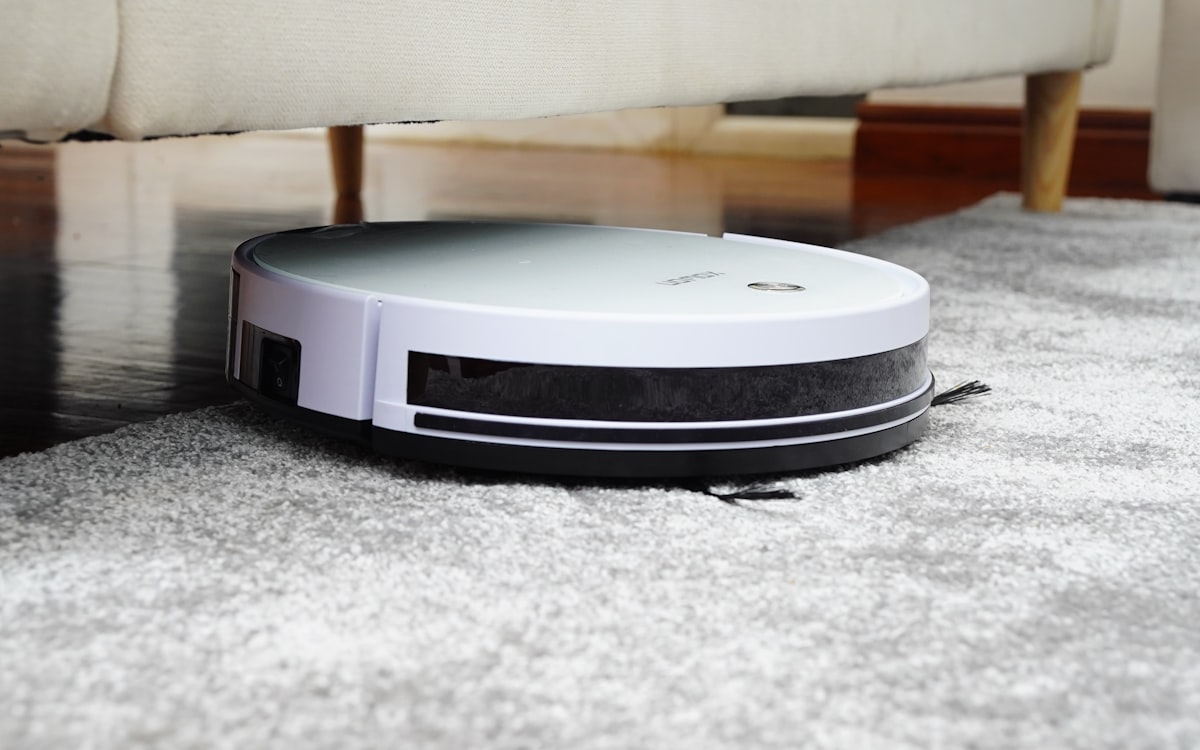
Robot vacuums are excellent for daily maintenance and dust control on hard floors, but they do not replace a deeper clean of carpets and corners every week or two.