
What you will learn
- How shelf placement actually works in practice
- Where you are most likely to encounter it
- The small cues that signal it is being used
- How to read past it without becoming cynical
- When the technique is harmless and when it is not
Closing thoughts
Noticing shelf placement for what it is, rather than reacting to it without seeing it, is the small habit that gradually reshapes the relationship between a person and the marketplace they live in.
The retail geography of eye level
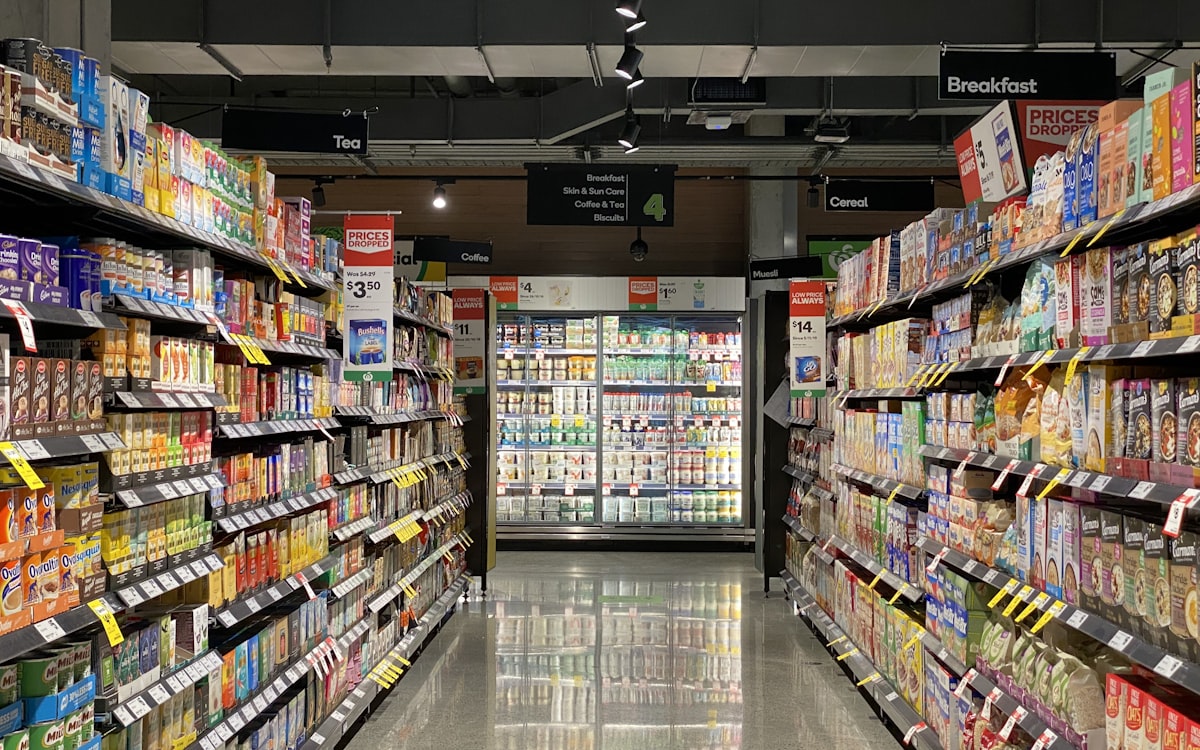
Supermarkets and pharmacies treat every shelf position as a distinct piece of real estate. The vertical bands roughly correspond to attention and effort. Eye level, running from about 145 to 170 centimetres above the floor for a typical adult, receives roughly two to three times the glances of any other band. Products in this band sell 30 to 60 percent more copies than the same products moved to a lower shelf, holding price and packaging constant.
Retailers charge suppliers for eye-level placement, either directly through slotting fees or indirectly through negotiated purchase discounts. The buying decision that looks free to a shopper has been shaped weeks earlier by a spreadsheet in a category-management office. The pattern is well described under the general study of impulse purchase behaviour.
| Shelf band | Height range | Typical role |
|---|---|---|
| Reach up | Above 175 cm | Overstock or bulk sizes, low turnover |
| Eye level | 145 to 170 cm | House brands and premium partners |
| Touch level | 110 to 145 cm | Reliable everyday sellers |
| Stoop level | 60 to 110 cm | Bulk, value tiers, promotional stock |
| Child eye level | 90 to 130 cm | Cereals with cartoon characters, sweets |
Horizontal position within the eye-level band also matters. The centre of a section catches the eye first, and the two shelves immediately to the right of centre sell 15 to 25 percent more than the equivalent shelves on the left. Right-handed shoppers reach right, and retailers know it.
End caps, chokepoints and the queuing lane
The ends of aisles, called end caps, are the highest-value display in the store. A product placed on an end cap can see sales rise by a factor of two or three during the promotion period, even if the price does not change. Suppliers pay handsomely for the position and often supply extra staff to build the display. The end cap is a paid advertisement that looks like a shelf.
Chokepoints are the narrow gaps between fixtures where shoppers slow down to squeeze past. A well-placed display near a chokepoint catches attention while the trolley is moving slowly. Bakery smells at the entrance and the deli counter halfway through the shop use a similar logic, drawing footfall down a chosen path.
The queuing lane is the strip of shelving beside the checkout. It carries the highest sales per square metre in the store, because a captive shopper with a full trolley is one of the most persuadable audiences in retail. The items there are chosen for low decision weight and high margin, typically confectionery, small drinks, magazines and impulse gadgets in the 3 to 12 dollar range.
A quieter variant is the destination trap. Milk, eggs and bread are placed at the back of a supermarket so shoppers cross the whole store to reach them, passing dozens of tempting displays on the way. The layout is efficient for the shop and inefficient for anyone who arrived with a short list.
How to walk a store without being walked by it
The pattern breaks down as soon as a shopper walks the aisle at a different pace. Three small habits help. First, cast eyes upward and downward on every aisle, not only forward. Second, treat end caps as advertisements rather than shelves and cross-check the everyday price of any end-cap item on its usual shelf. Third, plan a route based on a list rather than a walk, so the chokepoints and queuing lanes have less power to reshape the basket.
A fourth habit closes the loop. At the till, glance back over the basket and ask whether each item was on the original list. Items that were not on the list are the ones the store placed. Repeat the exercise a few times and the pattern of unplanned additions becomes obvious.
Store designers also treat lighting and floor material as tools. Warmer light around bakery and deli sections encourages a slower pace, while cooler light in electronics and cleaning aisles supports faster comparison. A change in floor tile from smooth to slightly textured near a display slows the trolley by a fraction of a second, which is enough to bring an item into focus. These cues are invisible until noticed, and then they are hard to unsee.
Related reading on the store environment includes the psychology of choice overload at the shop, how packaging quietly signals premium, the look of sustainability on packaging and why products add numbers to sound scientific.
The unit price gap between top shelf and floor shelf
The eye-level shelf and the floor shelf usually carry the same product family, but the unit prices tell a different story. Store buyers place premium brands at eye level and value tiers on the top and floor shelves, then set prices to widen or narrow the gap depending on the category.
A worked example from the breakfast cereal aisle shows the pattern:
| Shelf position | Product tier | Price per 100 grams |
|---|---|---|
| Top shelf, above 175 cm | Bulk box, house brand | 0.42 USD |
| Eye level, 145 to 170 cm | National brand, premium range | 0.71 USD |
| Touch level, 110 to 145 cm | National brand, standard range | 0.58 USD |
| Stoop level, 60 to 110 cm | Value brand or promotional stock | 0.39 USD |
Reading the shelf top to bottom rather than left to right often reveals a per-unit price 25 to 45 percent lower on the stoop shelf. The saving is real. It requires bending, and the pack size may be larger, but the maths per meal favours the lower shelf in most categories.
The same pattern shows up on cleaning products, tinned goods and pet food. Eye-level pricing usually carries a 20 to 40 percent premium per unit over the equivalent product two shelves down. Checking the unit price sticker rather than the pack price sticker is the fastest way to spot the gap.
Frequently asked questions
Is shelf placement illegal?
Almost never. The technique sits within ordinary marketing practice and is regulated only in extreme forms. The line between persuasion and deception is fuzzy, and most uses of shelf placement stay well inside the permitted side.
How can I notice shelf placement in the moment?
Pause before any decision that suddenly feels obvious. If the choice has been simplified for you, ask who simplified it and what they would gain from your pick. The pause itself often makes the technique visible.
Are some brands worse than others for shelf placement?
Yes, but the difference is usually a matter of degree rather than kind. Most brands use the technique to some extent. The brands that use it most aggressively are also usually the ones whose products struggle to stand on their own.