
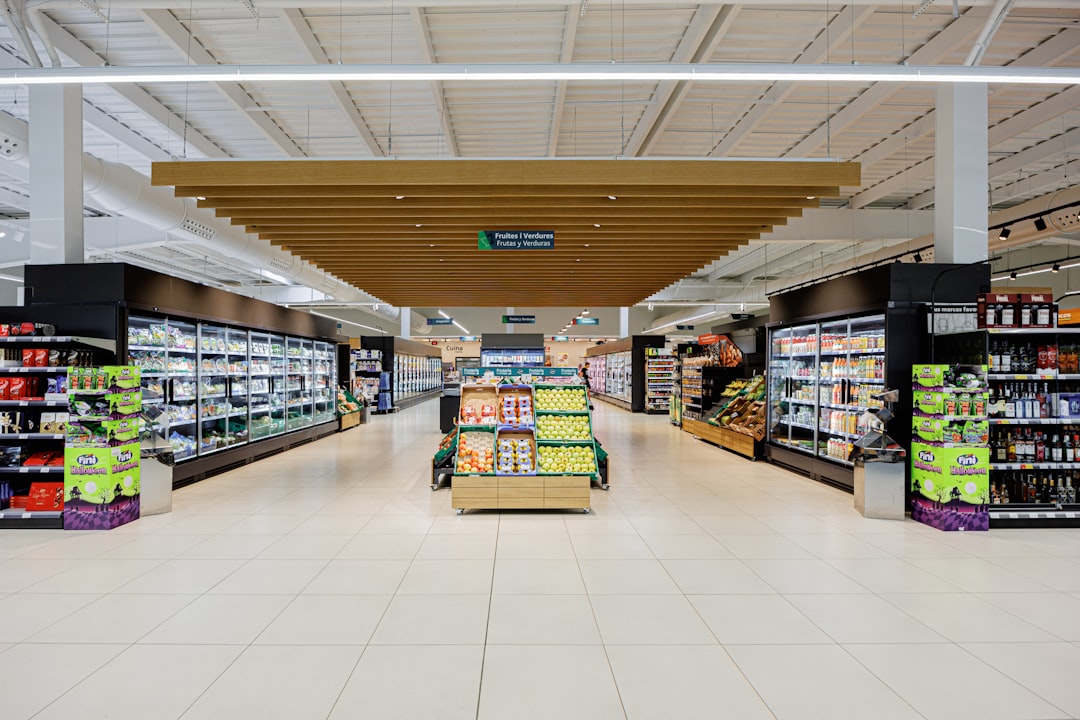
The end of an aisle is the most visible piece of real estate inside a supermarket. Every trolley passing the aisle sees the endcap for two or three seconds. That short exposure earns the space a price, and the price is paid by brands rather than by the shopper directly.
The reason certain products live at the endcap
Shelf position in a supermarket is not accidental. Every metre of shelf is measured for the revenue it generates, and endcaps consistently produce two to five times the sales per square metre of a regular aisle slot. Brand managers pay for the placement, either in cash slotting fees or in trade allowances that lower the wholesale price for that quarter. The retailer often shares the funding cost with the brand and expects both the brand and the store to profit from the extra volume.
What ends up on the endcap is therefore not chosen for shopper benefit. It is chosen because the brand paid for placement, because the retailer wants to move seasonal stock quickly, or because the margin per unit is higher than the average of the aisle behind it.
How margin is hidden behind display promotion fees
For a wider view on this thread, see how Packaging Quietly Convinces You a Product is Premium.
An endcap display is often priced by the retailer at a promotional cost, meaning the price tag ends in a bright yellow flash and shows a saving from a reference figure. That reference figure is frequently the maximum retail price rather than the historical average shelf price. A shopper who compares the endcap price to the regular aisle price of the same product often finds them identical.
The saving language is not fraudulent. It is a truthful reference to the price on the packaging or the recommended retail price set by the maker. Most shoppers do not walk twenty metres into the aisle to check, so the endcap price appears to be a discount even when it is the standard price.
Price signals versus real value at the aisle end
Retailers use several small signals at the endcap that raise perceived value without changing the actual price. A larger printed price on the shelf label, a bright colour panel, a stack of hand written cardboard signs, and a low pallet stacked with product all imply volume and urgency. The shopper reads these signals as evidence of a deal even when the pack size, unit price, and stock level are unchanged from the aisle behind the display. Even the way the product is stacked has been tested. A slightly untidy stack reads as recent restocking and popular demand, while a perfectly aligned wall of product reads as excess inventory that has not moved. Merchandising teams train stockers to leave the endcap a little imperfect on purpose.
An honest comparison is easy but takes a moment. Look for the unit price per hundred grams or per litre on the shelf label. Compare the endcap unit price to the same product on the aisle shelf. If they match, the endcap is simply a display, not a discount. If the endcap price is higher, which happens more often than most shoppers expect, the display is quietly costing extra rather than saving.
Layout habits that steer the trolley without you noticing
A related pattern is discussed in how Limited Editions Work as a Pricing Strategy.
- Endcaps are placed at the natural turning points of the trolley path, so a shopper is required to pause and reorient at exactly the point where the display sits.
- The endcap facing the entrance shows seasonal or high margin categories, which biases the first purchases of the trip toward those categories.
- End of aisle refrigerators are used for premium chilled products, since a shopper who does not need to enter the frozen aisle can still be captured by an endcap chiller.
- Companion products are placed adjacent to the main endcap item to encourage a paired purchase, such as tortillas next to the salsa display.
Small tests you can run against endcap deals
The same logic applies to the choices covered in how Price Anchoring Quietly Shapes Your Shopping Decisions.
- Compare the shelf label unit price to the same brand on the regular aisle. If they match, the endcap is not a saving.
- Check the pack size against the standard pack you buy at home. Endcap pack sizes are sometimes different from the aisle standard, which makes a price comparison misleading.
- Note the reference price shown as the strike through figure. If it is labelled as maximum retail price rather than as the standard shelf price, the saving is against the packaging, not against what the store usually charges.
- Look at the same category on the aisle shelf for a rival brand that offers a genuinely better unit price. The endcap rarely holds the lowest cost per unit in a category.
The categories where endcaps genuinely help
Owners tracking a similar decision often find why Some Products Add Numbers to Sound Scientific useful.
Endcaps are not always adversarial. Clearance endcaps often show short dated stock at genuine reductions of 30 to 50 percent, since the store is trying to move product before the sell by date. Seasonal endcaps in autumn and spring frequently price staples slightly below the aisle to drive footfall. The signal is the tag colour rather than the display size. A clearance sticker with a manager reduction and a short date is a real saving, while a promotional sticker with a manufacturer reference figure often is not.
A short habit that reduces overspending
Two changes to shopping behaviour cut endcap overspending by roughly a third for most households. The first is to keep a running list of the ten to fifteen staple products the household actually buys and to check unit prices only on those items each visit. The second is to walk the aisle rather than the endcap for those staples, since the aisle position is priced by the retailer for sustained sales rather than by the brand for a promotion cycle.
According to the wider practice of retail merchandising, endcap displays and their pricing mechanics are one of the oldest and most studied areas of retail merchandising, and their design is refined every year against measured shopper behaviour. Awareness of the mechanism is the most reliable defence against paying more than you intended for a product you did not plan to buy.
Frequently asked questions
Are endcap prices always higher than aisle prices?
Not always, but often identical rather than lower. The endcap is priced to look like a promotion. The clearest test is the unit price on the shelf label compared to the aisle version of the same product.
Do supermarkets have any endcaps that are genuinely cheaper?
Clearance endcaps with short dated stock and manager reduction stickers are usually the real deals. Seasonal endcaps in category weeks can also offer honest discounts against a regular shelf price.
How do endcap fees affect the products I buy?
The fees are usually absorbed into the brand marketing budget and passed through as slightly higher shelf prices across the year. A shopper who buys only from endcaps often pays more per unit than one who buys from the aisle.