The five aspirational purchases that fail most often
Aspirational buying tends to cluster in a small number of categories. Recognising the categories in advance is a stronger defence than trying to catch yourself in the moment.
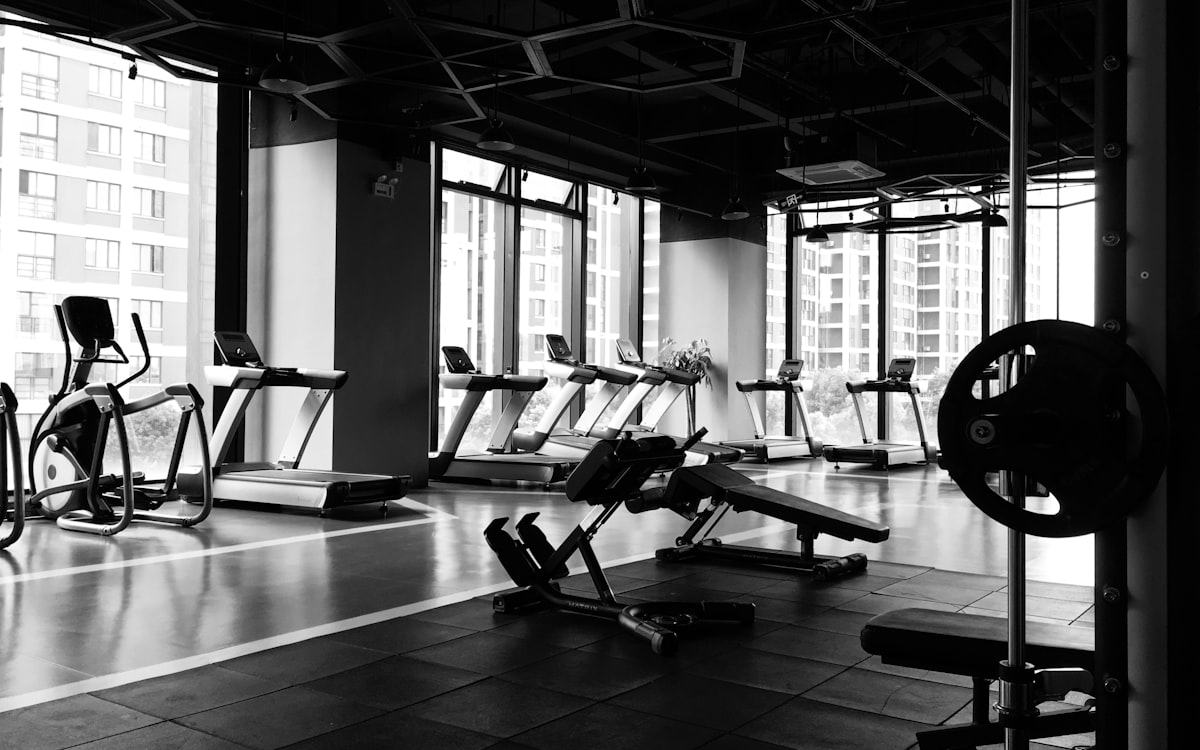
- Fitness equipment sold on the promise of a routine that has not started yet. Home spin bikes, weight benches, and treadmill investments over twelve hundred dollars are the classic case.
- Kitchen appliances tied to a cuisine the buyer has cooked twice: bread machines, pasta extruders, high-end espresso setups.
- Language and skill-learning kits with a two or three-year use cycle that rarely lasts more than three months.
- Camera bodies and lens systems bought for a hobby the buyer has not sustained across a full year.
- Furniture or storage bought for a home layout that is planned but not yet built.
None of these are wrong purchases in themselves. Each has a genuine user for whom the money is well spent. The pattern is aspirational only when the buyer is not that user yet.
A ninety-day usage test before major aspirational purchases
The single habit that reduces aspirational spend most reliably is a written usage test taken before the purchase. It takes about five minutes and clarifies whether the item is being bought for the current life or the imagined one.
- Write the specific activity the item enables and how often you did that activity in the last ninety days without owning the item.
- If the answer is zero times, the item is aspirational. Delay the purchase for thirty days and use a cheaper substitute or free version during that window.
- If the answer is between one and four times, the item is partially aspirational. Buy the mid-range version, not the top of the range.
- If the answer is more than five times, the purchase is grounded in current use and any tier is defensible.
The concept of buyer’s remorse is closely tied to this test. Regret tends to concentrate on items bought before the underlying routine existed, not on items bought once the routine was established.
How to keep a modest aspirational budget without regret
Not every aspirational purchase is a mistake. Some are quiet motivations that pay off in unexpected ways. The healthier framing is to give aspirational spending a small annual budget, roughly one to two percent of household discretionary spend, and to let those purchases be openly aspirational rather than justified as practical.
Two rules keep that budget honest. First, an aspirational purchase should be under one hundred fifty dollars unless it clears the ninety-day test above. Second, the sale of unused aspirational purchases through resale platforms should be treated as recovering budget for the next attempt, not as a loss. Related patterns worth reading are covered in the most-expensive shortcut, storage costs, and over-purchasing. When aspirational buying is repeated in categories with high storage demand or short return windows, the effect on both money and space compounds. A once-a-year audit of aspirational items still in original packaging is the simplest way to spot the pattern and adjust the budget for the following year, especially where several items still carry unbroken seals after twelve months.
Signals that a purchase is drifting into aspirational territory
A few observable signals appear before the purchase decision is finalised. Recognising them keeps the pattern legible rather than surprising.
- The phrase “once I start” appears in the internal justification for the purchase. The routine has not started yet and the item is standing in for the routine.
- The comparison is with the top tier rather than the mid tier, on the argument that once the routine is established the upgrade will be needed. In practice, buyers who never establish the routine often over-buy the tier.
- The purchase is bundled with several accessories, none of which have a defined use. Kits and starter packs are frequent aspirational triggers.
- The item is timed to a life event that has not yet happened, such as a house move, a job change, or a training program.
The counter-move is not to refuse the purchase entirely. It is to note the signal and to shrink the purchase to the smallest version that would still support the intended routine. Buying the entry version at fifty to one hundred dollars, rather than the mid-tier at three to five hundred, converts an aspirational purchase into a low-risk experiment. If the routine takes hold, the upgrade is easier to justify twelve weeks later. If it does not, the loss is small enough to disappear into the household budget without a follow-on regret.
Return Rates on Aspirational Purchases
Aspirational purchases return at rates that are much higher than everyday items, and the pattern is uneven across categories. The larger the gap between current use and imagined use, the higher the eventual return rate or the eventual resale below original cost. The figures below are aggregated across retailer reports and secondhand marketplace listings.
| Category | General return rate | Aspirational buy return rate | Months to return or resell |
|---|---|---|---|
| Fitness equipment | 8 to 10 percent | 28 to 35 percent | 4 to 9 |
| Kitchen appliances used once weekly or less | 10 to 12 percent | 22 to 30 percent | 3 to 7 |
| Specialty cookware | 6 to 9 percent | 18 to 25 percent | 6 to 14 |
| Camping and outdoor gear | 5 to 8 percent | 24 to 32 percent | 6 to 12 |
| Formal wear bought for a single imagined event | 15 to 18 percent | 40 to 55 percent | 1 to 3 |
The resale side is even less flattering. A rowing machine that cost 900 dollars new commonly lists for 250 to 400 dollars within a year. A stand mixer that cost 400 dollars often resells for 150 to 220 dollars. Formal wear worn zero or one time drops to 20 or 30 percent of purchase price, sometimes lower on saturated secondhand markets.
The pattern behind the numbers is straightforward. When the buyer is picturing a version of themselves that does not yet exist, the item is being asked to force a lifestyle change, which is a much harder job than serving an existing routine. The item cannot do that work, and the shortfall shows up as a return, a resale, or a slow accumulation of unused inventory that gets moved from room to room until it eventually leaves the house at a fraction of its purchase price.
Frequently asked questions
How common is aspirational buying across shoppers?
Very common. The pattern shows up across income levels, ages, and shopping categories. The frequency varies but few shoppers escape it entirely.
Can aspirational buying be undone after the purchase?
Sometimes, through return policies. More often the spend is final, and the change is forward looking. The most useful response is to notice the pattern and apply that noticing to the next purchase.
Is there a single rule that prevents aspirational buying?
Not really. The change is usually a combination of small habits rather than one rule. A short delay between impulse and purchase is the most reliable single habit, but it is not a complete solution on its own.